


Most COVID-19 hospitalization statistics include all patients who are admitted to the hospital with a COVID-19 diagnosis or COVID-19 positive lab test. However, it’s possible for patients to test positive for COVID-19 while admitted for an unrelated problem, such as a head injury or a heart attack, and experience a mild or asymptomatic case of COVID-19 that might not require hospitalization on its own. Some studies and recent media reports suggest that this might lead experts to overcount COVID-19-related admissions, especially for children.1
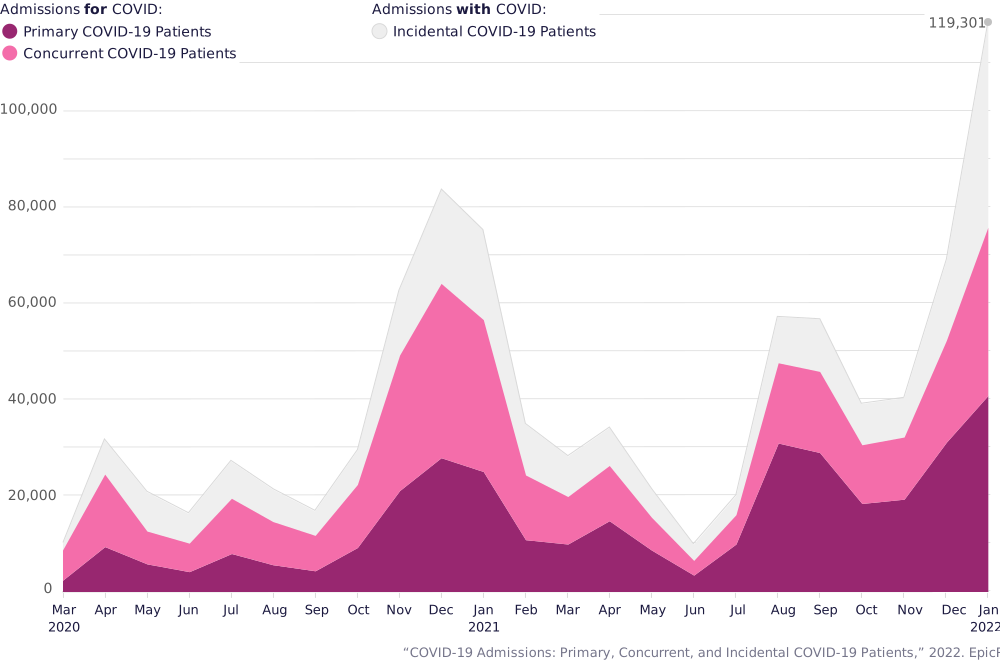
We investigated data from 814,672 hospital admissions between March 1, 2020, and January 31, 2022, to determine how many patients fall into one of the following categories:
- Primary COVID-19 patients. These patients were admitted to the hospital with only COVID-19 diagnoses and were treated for COVID-19 as part of their admissions.
- Concurrent COVID-19 patients. These patients were admitted to the hospital with COVID-19 diagnoses in addition to other problems and were treated for both COVID-19 and other problems as part of their admission.
- Incidental COVID-19 patients. These patients received a COVID-19 diagnosis at admission but weren’t treated for COVID-19, either because their infection was asymptomatic or because their symptoms were mild.
We considered patients as primary or concurrent COVID-19 patients rather than incidental COVID-19 patients if they met any of the following criteria:
- The patient’s admitting diagnosis was COVID-19 infection.
- All of the diagnoses listed on the patient’s hospital problem list during the admission were either COVID-19 infection or another respiratory diagnosis.
- The patient received an antiviral treatment during admission.
- The patient had respiratory problems and was treated with a COVID-19 therapeutic drug during admission as categorized by NIH COVID-19 guidelines.2
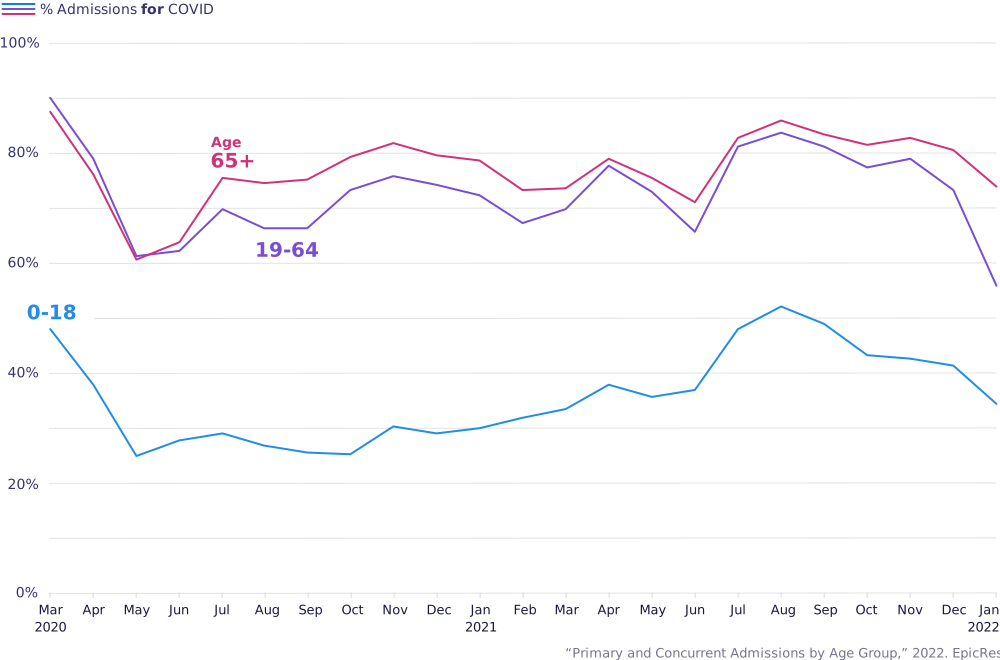
Our investigation determined that, except for the early weeks of the pandemic, between 60% and 80% of all hospitalized COVID-19 patients were treated for COVID during their hospital admission. This percentage was highest in March of 2020, but then dropped in April and May with the introduction of mass testing at admission. From November 2021 to January 2022, the rate dropped further to 64%, likely because of the milder symptoms seen with the omicron variant.
Importantly, we found that the average percentage of pediatric primary or concurrent patients was only 38%. The higher proportion of incidental COVID-19 seen in the pediatric population points to an overall lower rate of symptomatic infections in patients 18 and younger.
Original Publication Date: May 3, 2022
Last Updated: May 4, 2022
