


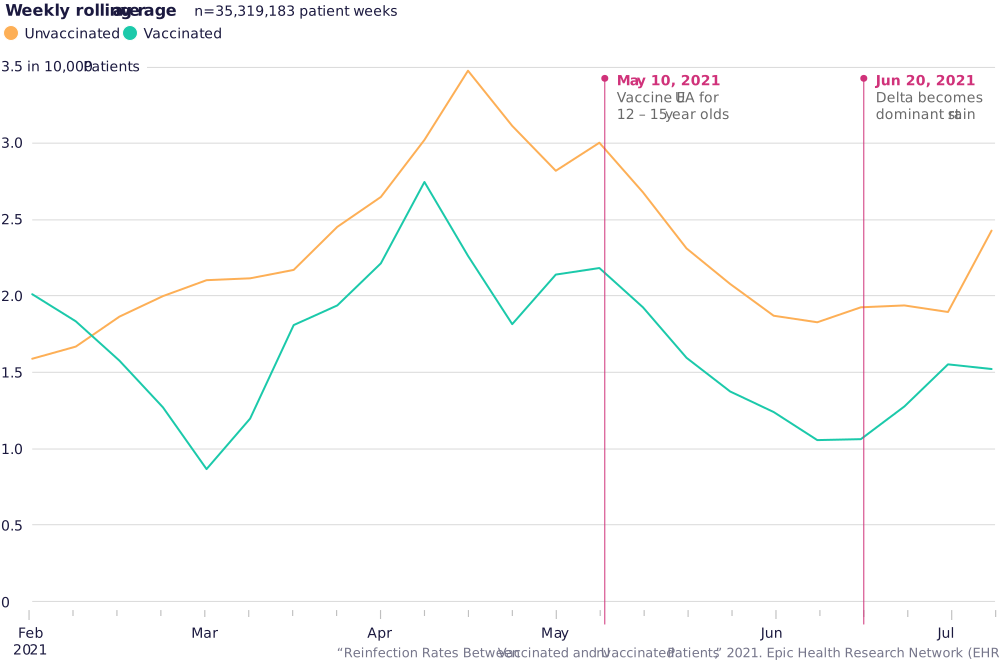
To examine how vaccines affect immunity for people who have already had COVID-19, we compared reinfection rates of COVID-19 in vaccinated and unvaccinated patients and found that unvaccinated patients were significantly more likely to be reinfected. To best determine whether a patient was vaccinated or unvaccinated, our study population included those with a face-to-face encounter where vaccination status could be verified.
While the primary benefit of vaccination is to decrease the severity of infection1, it also appears to have a modest benefit in preventing reinfection. This finding was based on an average weekly reinfection rate of 1.6 out of 10,000 for partially or fully vaccinated patients and 2.3 out of 10,000 for unvaccinated patients. This equates to one prevented reinfection for every 275 patients vaccinated over a period of 12 months.
Among patients who were reinfected, hospitalization rates were similar for both vaccinated and unvaccinated patients, with about one in five reinfected patients admitted to the hospital. These findings are consistent with other research demonstrating a decreased risk of COVID reinfection in vaccinated patients2.
