Epic Research is not viewable using Internet Explorer. Please try accessing it with an alternate browser.
Cosmos Study

Paxlovid Significantly Reduces COVID-19 Hospitalizations and Deaths

Abstract: Patients are less likely to be hospitalized or die from COVID-19 if treated with Paxlovid in an unadjusted analysis.
September 22, 2022
Dual-Team Study
Team A:Jeff Trinkl, MDKersten Bartelt, RNBrendan JoyceSam SahakianNeil Sandberg
Team B:Steve Allen, MDJackie Gerhart, MDEric BarkleyCory Sweet

Key Findings

  • In an unadjusted analysis, patients who are prescribed Paxlovid are about two times less likely to be hospitalized for COVID-19 and about four times less likely to die from COVID-19 than those who might be eligible for Paxlovid but did not receive a Paxlovid prescription. 
  • Fully vaccinated patients over age 50 who were treated with Paxlovid are about three times less likely to be hospitalized than those not treated with Paxlovid.  
  • Patients aged 40-49 are about two times less likely to be hospitalized when treated with Paxlovid, although results vary depending on vaccination status. 

The anti-viral treatment Paxlovid received FDA emergency use approval in December 2021 to reduce the likelihood of severe COVID-19 disease. In the U.S., patients are eligible for Paxlovid if they are determined to be high risk for complications from COVID-19.1 We studied 567,560 patients who could have received Paxlovid treatment between March 1, 2022, and August 1, 2022. Of these, 146,256 received Paxlovid and 421,304 did not. In an unadjusted analysis, patients who did not receive Paxlovid were two times more likely to be hospitalized and four times more likely to die compared to those who did receive Paxlovid (Figure 1). 
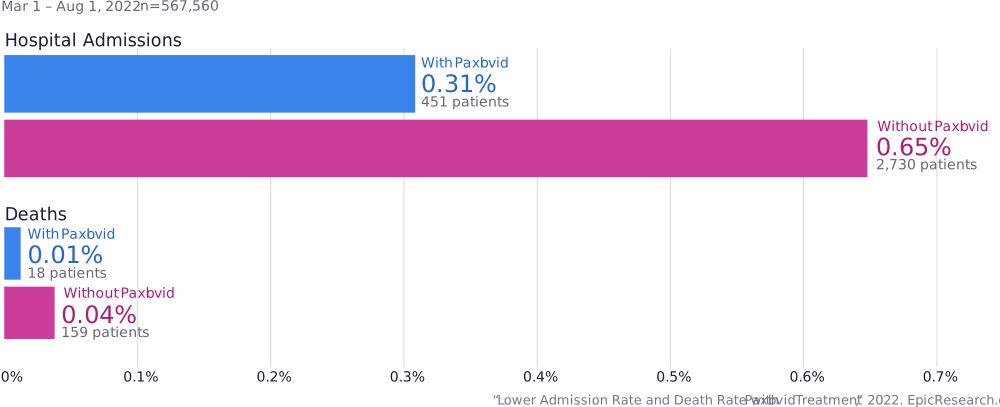
Figure 1
Lower Admission Rate and Death Rate with Paxlovid Treatment
Figure 1. Overall unadjusted COVID-19 hospitalization and death rates by Paxlovid use from March 1, 2022, through August 1, 2022. 

When stratified by age, patients aged 65+ are 2.5 times more likely to be hospitalized if not treated with Paxlovid (Figure 2). 
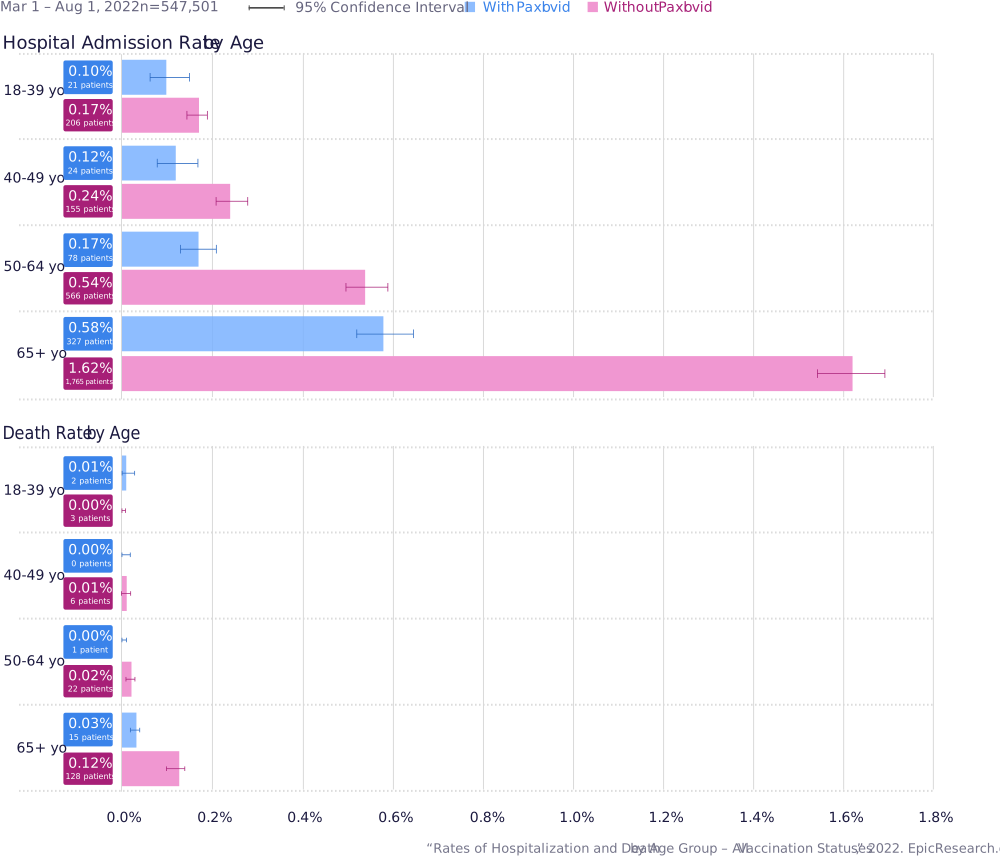
Figure 2
Rates of Hospitalization and Death by Age Group – All Vaccination Statuses
Figure 2. Unadjusted age distribution of COVID-19 hospitalization and death rates by Paxlovid use from March 1, 2022, through August 1, 2022. All vaccinated, boosted, and unvaccinated patients are included. No adjustment for vaccination or comorbidity is included.

As previously published, having a full series of COVID-19 vaccination and a booster decreases risk of hospitalization and death from COVID-19. Figures 3 and 4 evaluate whether being treated with Paxlovid adds benefit to patients already vaccinated with a primary series and/or boosted. Figure 3 includes patients with a complete COVID-19 series without booster and Figure 4 includes patients with the complete series and a single booster. At the time of this study, the EUA allowed only immunocompromised patients to be eligible for two boosters. There were too few patients with two boosters to meaningfully study a difference in outcomes for that group.
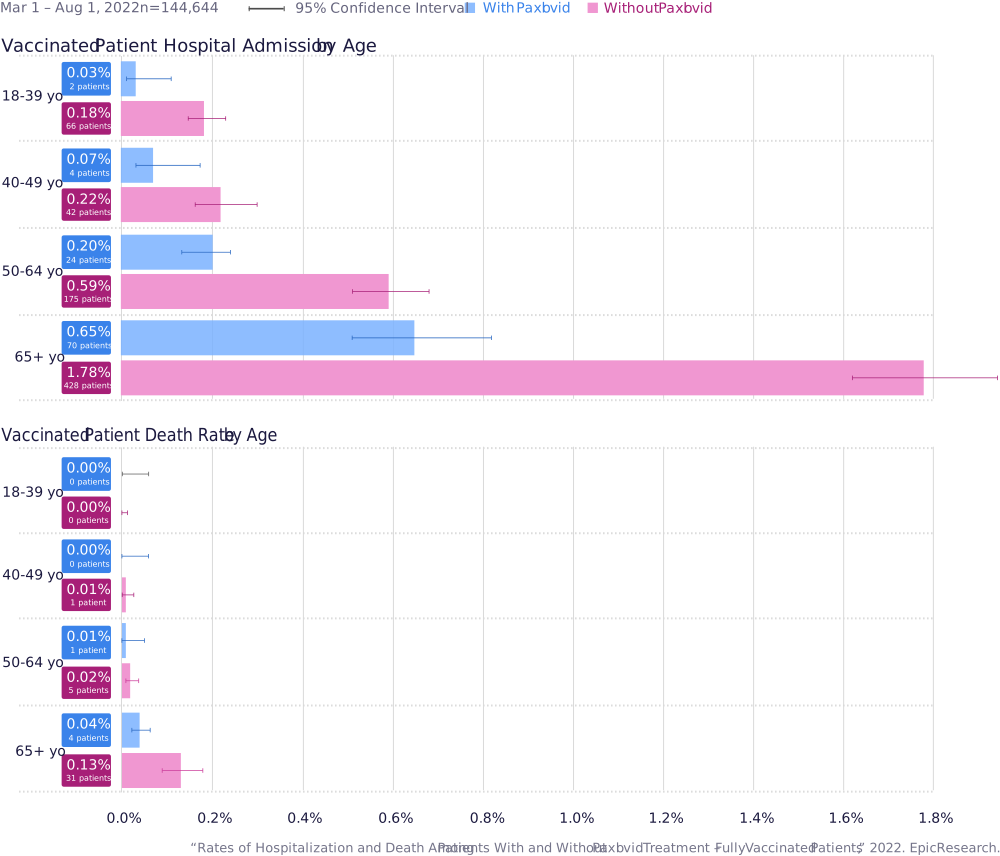
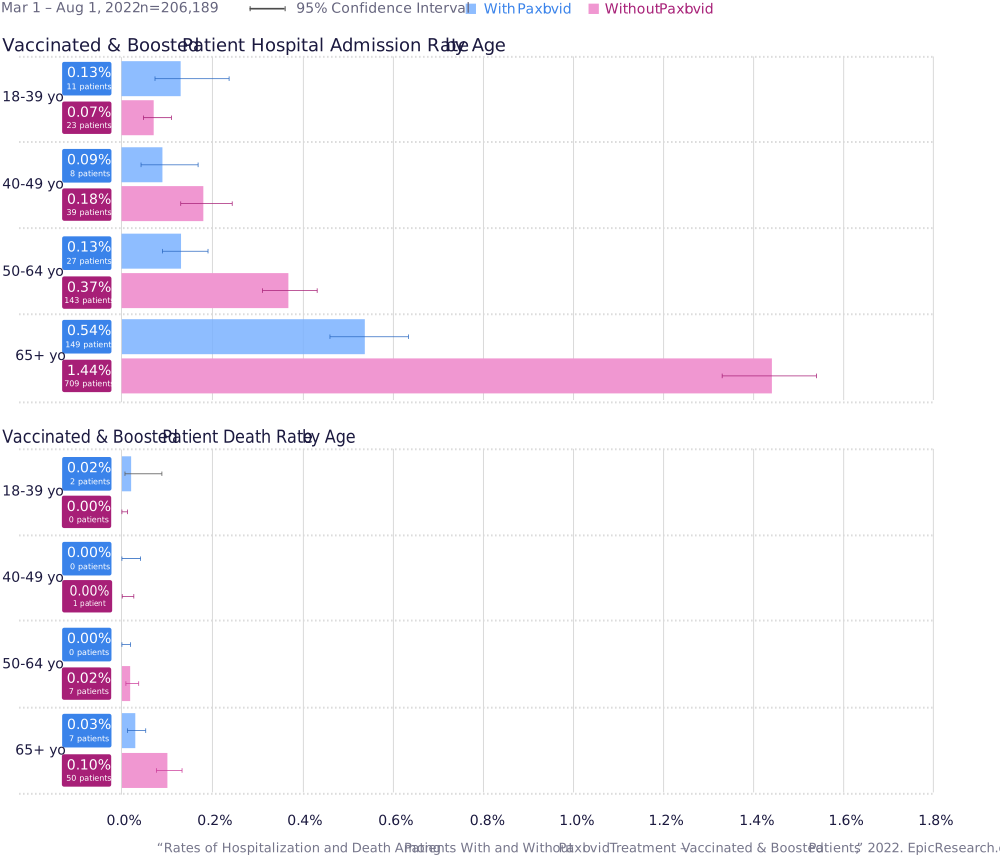
Figure 3
Rates of Hospitalization and Death Among Patients with and Without Paxlovid Treatment – Fully Vaccinated Patients
Figure 3. Unadjusted age distribution of COVID-19 hospitalization and death rates by Paxlovid use from March 1, 2022, through August 1, 2022, for patients with a complete primary series of COVID-19 vaccination but no documented booster vaccination.
Figure 4
Rates of Hospitalization and Death Among Patients with and Without Paxlovid Treatment – Vaccinated & Boosted Patients
Figure 4. Unadjusted age distribution of COVID-19 hospitalization and death rates by Paxlovid use from March 1, 2022, through August 1, 2022, for patients with a complete primary series and one COVID-19 vaccination booster.

In our unadjusted analysis, for patients aged 50+ who have received a complete primary series of a COVID-19 vaccination with or without a booster, there is a statistically significant difference in the hospitalization rate for those who received Paxlovid and those who didn’t. This remains true regardless of vaccination status. We did not evaluate the effect of race and ethnicity or other potential confounders in this analysis. Patients aged 40-49 show reduced hospitalization rates, but when broken down by vaccination status, the difference in rates is not statistically significant. 

This initial analysis did not control for specific comorbidities other than stratifying by age and vaccination status. Patients who were hospitalized within one day of their COVID-19 diagnoses were excluded because they might not have had time to initiate Paxlovid treatment to prevent hospitalization. Patients on other antiviral medications or who took Paxlovid in the 90 days prior to their relevant COVID diagnosis infection or six or more days after their COVID diagnosis were also excluded. 

An individual’s likelihood of contracting COVID-19 and the severity of the individual’s illness is dependent on many factors including COVID-19 variant and whether the individual has had COVID-19 in the past. Additional analysis is planned to adjust for risk factors, such as underlying conditions and race/ethnicity, and will be made available on Epic Research when published. This further analysis is in collaboration with the CDC. 


These data come from Cosmos, a HIPAA-defined Limited Data Set of more than 163 million patients from 173 Epic organizations including over 1,000 hospitals and over 22,500 clinics, serving patients in all 50 states and Lebanon. This study was completed by two teams that worked independently, each composed of a clinician and research scientists. The two teams came to similar conclusions. To view the full data definitions and tables used in this study, please download the PDF version on EpicResearch.org. 

References

  1. National Institutes of Health. COVID-19 Treatment Guidelines: Ritonavir-Boosted Nirmatrelvir (Paxlovid). https://www.covid19treatmentguidelines.nih.gov/therapies/antiviral-therapy/ritonavir-boosted-nirmatrelvir–paxlovid-/. Accessed September 15, 2022.