


Starting at age 35, pregnancies are considered to be high risk due to advanced maternal age and can result in complications for both the patient and the baby.1 Adolescent patients also face risks in pregnancy.2,3 We reviewed 1.45 million live births for patients ages 13 to 45 between January 1, 2016 and June 1, 2021 and found that rates for some complications increase as patients get older while rates for other complications are higher for both younger and older patients.
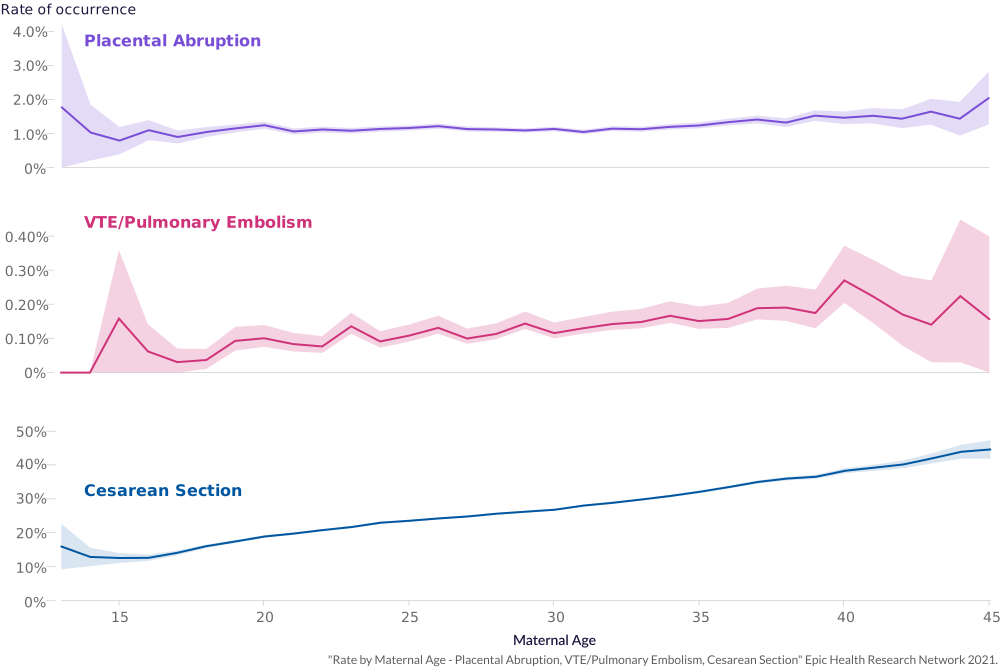
Rates of venous placental abruption, thromboembolism (VTE) or pulmonary embolism, and cesarean section were lower in younger pregnant patients and higher in older patients, as shown in Figure 1. While placental abruption and VTE/pulmonary embolism rates were very low across all age groups, cesarean section rates increased by an average of about 1% with each additional year of patient age, reaching a rate of more than 40% for patients over age 42.
We continued to evaluate additional complication rates by maternal age for gestational hypertension, preterm delivery, low birth weight, and postpartum hemorrhage. We found rates for this subset of complications were higher for pregnant patients 21 and younger or 35 and older. For older patients, the rates begin to increase in the early 30s. We did not differentiate between first and subsequent pregnancies and deliveries in this investigation.
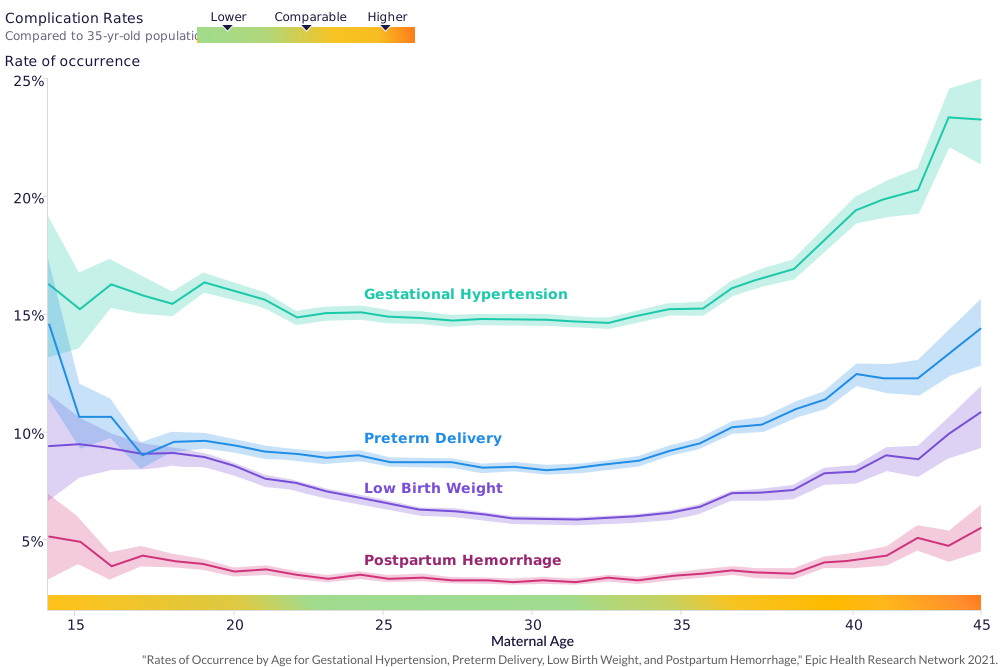
While our findings show the greatest rate of complication after age 35, we also found that pregnant patients 21 or younger show increased rates of certain complications, such as preterm delivery.
