
Earlier this year, we published data demonstrating a 300 fold increase in telehealth, broken down by encounter reason and specialty.1,2 In this brief, we provide an update to those data and examine telehealth use across geographic regions in the United States.
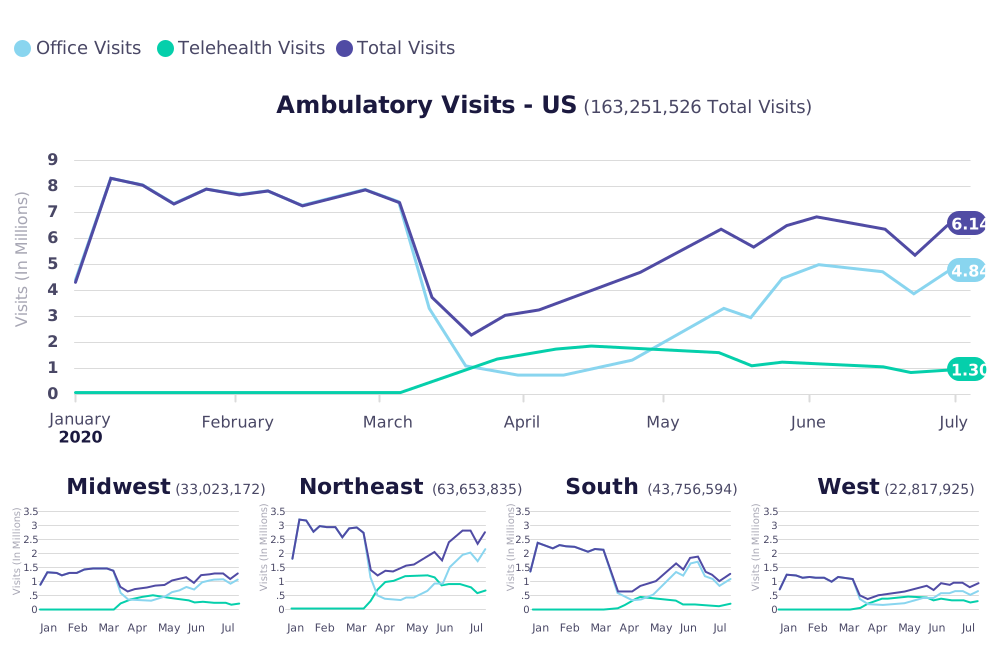
Many speculated that telehealth volumes would remain high throughout (and perhaps beyond) the pandemic; however, recent EHR data show that volumes peaked in mid-April when telehealth visits comprised 69% of total visits. Since then, levels have dropped to make up only 21% of total visits, though this is still much higher than the rates seen before the pandemic (less than 0.01%).
We found that this trend occurred across all geographic regions in the United States. The Northeast region showed the least decrease in telehealth visits (25% of total visits) compared to peak volumes (77% of total visits), while the South had the lowest peak telehealth adoption (53% of total visits) and has since dropped to only 13% of total visits. Additionally, beginning in June, the South saw another decrease in office visit volumes, and has not seen a compensatory increase in telehealth.
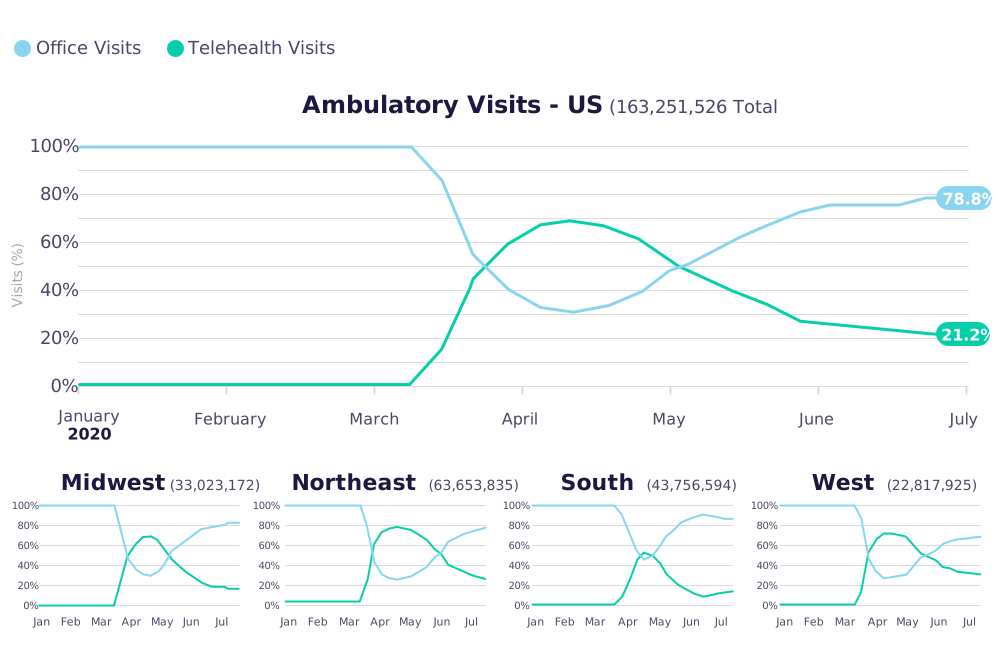
The reasons for the relative decrease in telehealth visits remain unclear but could be a result of patient and provider preferences for in-person visits and/or reduced payer reimbursement for telehealth visits.
This summary includes data as of July 12, 2020. Data are pooled from 37 healthcare organizations representing 203 hospitals and 3,513 clinics that include visits from patients in all 50 states.


