


Many other healthcare settings have seen changes in the patient populations they see since the beginning of the COVID-19 pandemic. Prior to the pandemic, urgent care facilities were becoming popular alternatives to emergency departments for patients with urgent, but non-life-threatening, conditions. We wondered how the pandemic has impacted the volume and types of care sought in urgent care since many patients with respiratory symptoms may not need emergency care.
Urgent care visits grew slightly overtime prior to the pandemic with a seasonal trend of increased respiratory visits, like influenza or sinus infections, each year during the winter months. Urgent care volumes, like outpatient visit and emergency volumes, dropped in early 2020, as shown in Figure 1. The drop right before the COVID emergency declaration is likely due to both seasonal trends in respiratory infections and increasing COVID cases prior to the emergency declaration.
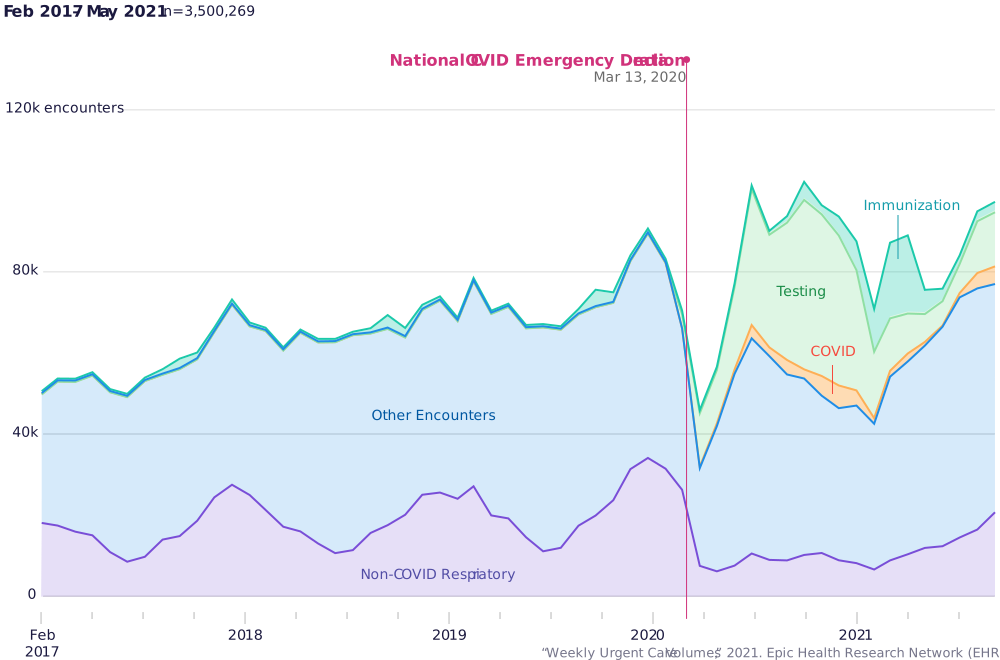
Overall utilization quickly rebounded after the declaration and continued to grow as urgent care pivoted to infectious disease testing in the second half of 2020. This increase represented a significant change in the distribution of the types of visits seen in urgent care as testing peaked at nearly 40% of urgent care visits in October 2020.
With the introduction of the COVID vaccine in December 2020, urgent care again pivoted to provide more immunizations. Immunization visits at urgent care are typically seen at small volumes, peaking at around 3-4% of visits in the late fall, likely due to the timing of influenza vaccinations, as shown in Figure 2. However, in 2021 immunization visits peaked at nearly 20% of urgent care visits in March of 2021, a five-fold increase from previous peaks.
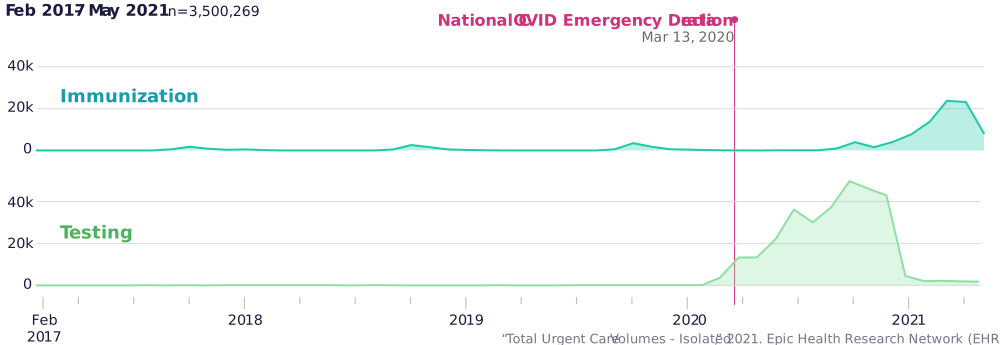
Overall, urgent care utilization has grown since 2017. Since the COVID-19 emergency declaration in March of 2020, urgent care had shifted to provide more testing and immunization and less non-COVID respiratory care. As testing and immunization visits typically have different requirements than other types of urgent care visits, these data suggest that healthcare organizations may want to reevaluate staffing and scheduling models to account for the increase in these types of visits.
