
Routine cancer screenings are a primary preventative care measure that decreased dramatically at the start of the pandemic with 94% decreases in both breast cancer screenings and cervical cancer screenings and an 86% decrease in colon cancer screenings. While cancer screening rates rebounded in 2021 from early pandemic lows, they were still lower than expected.
As the pandemic continues and areas experience additional COVID-19 surges, clinicians share some concern that screening rates might not have returned to pre-pandemic baselines. We found that rates of breast and colon cancer screenings remain slightly below historical baselines, down 2.7% and 3.4% respectively. However, cervical cancer screening rates are still 10% below historical baselines. These rates equate to an estimated 68,000 missed breast cancer screenings, 27,000 missed colon cancer screenings, and 9,000 missed cervical cancer screenings from January 2021 through October 2021.
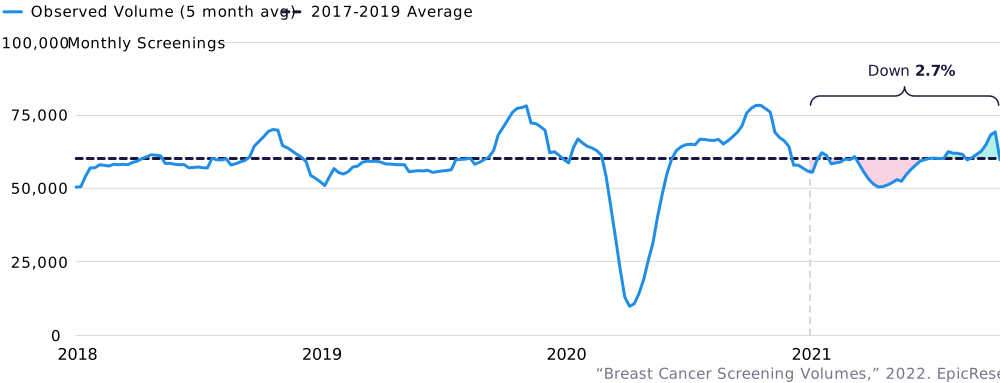
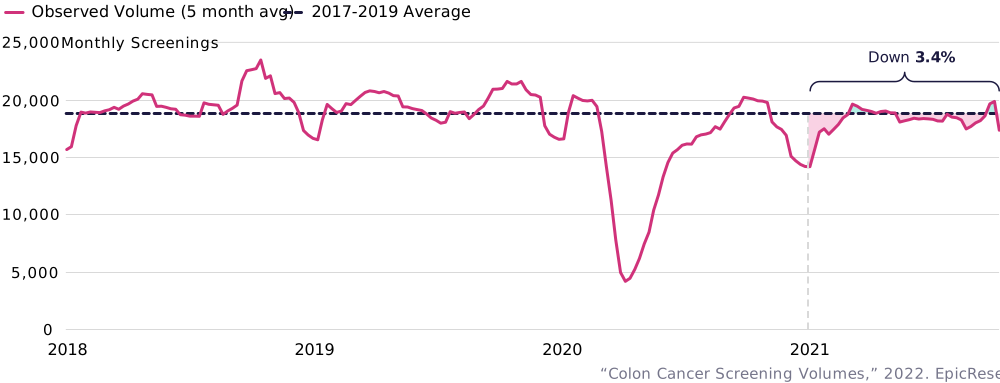
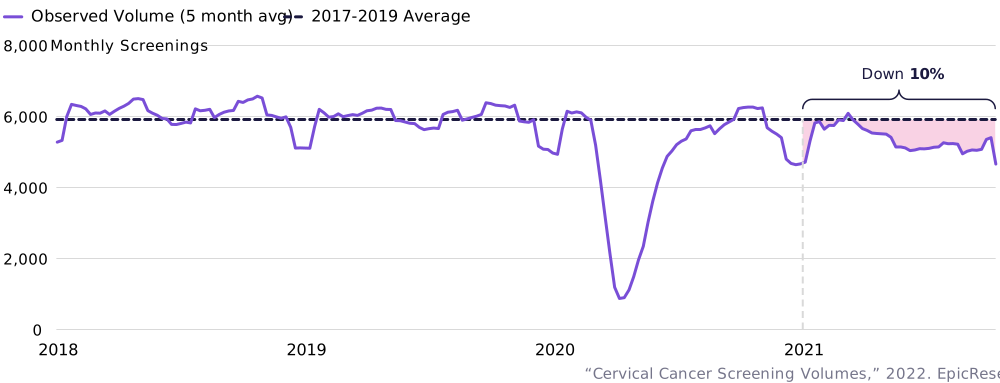
To make up for the missed colon cancer screenings in 2020 and 2021, rates would need to exceed the historical weekly average by over 3800 screenings a week. To make up for missed cervical cancer screenings in 2020 and 2021, weekly screening rates would need to exceed the historical average by at least 230 screenings each week in 2022. As breast cancer screenings are recommended annually in most cases, patients with missed screenings should work with their provider to get back on their recommended screening schedule for 2022.
Despite many clinics reopening in the spring and summer of 2021, we still see lower than expected rates of routine cancer screenings. Further delays in cancer screening could lead to delayed cancer diagnoses, which could increase morbidity and mortality and exacerbate existing health care disparities, as well as increase health care costs.1 Ongoing efforts to increase patient access to affordable screenings are important to our nation’s COVID recovery.


